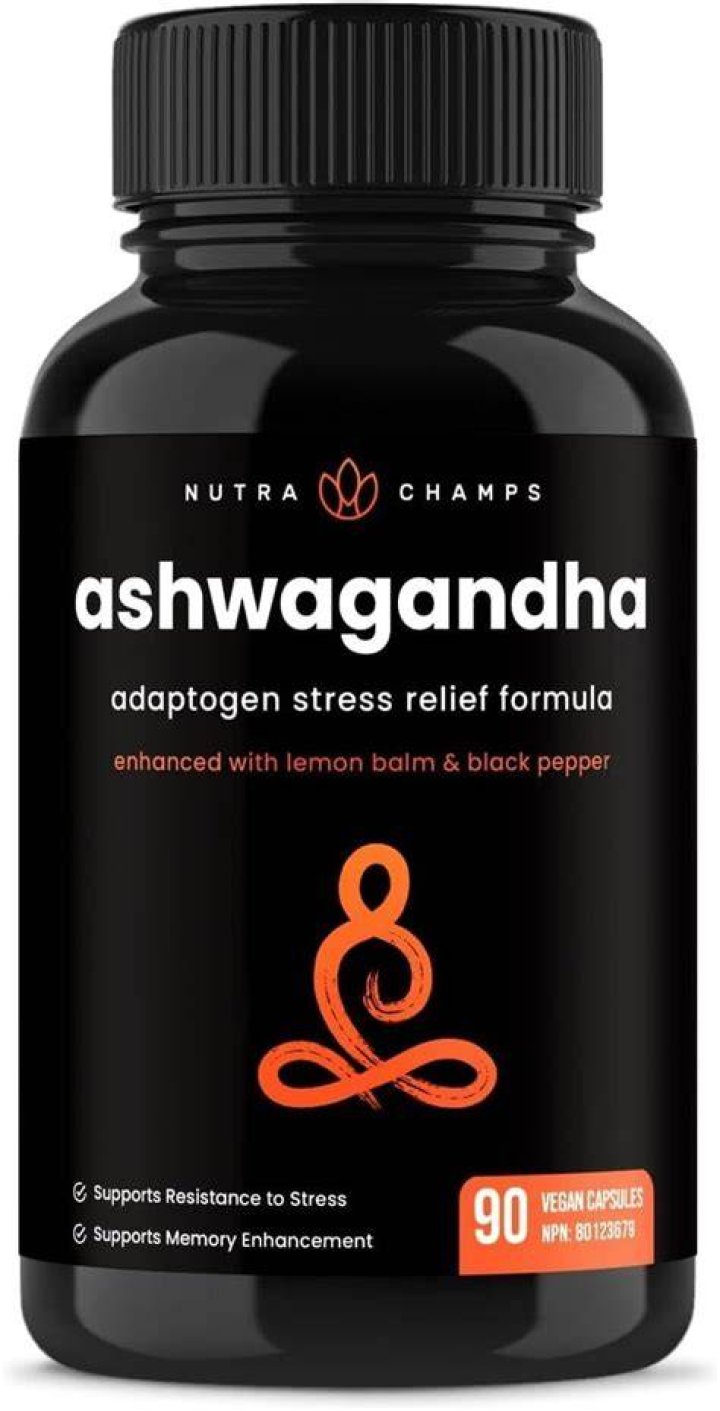
Are you experiencing depression after stopping Ashwagandha? You're not alone. Many individuals who have used this herbal supplement to manage their mental health may encounter a period of emotional imbalance when they discontinue its use. In this blog post, we will explore the causes, symptoms, and management strategies for depression after stopping Ashwagandha.
What is Ashwagandha?
Ashwagandha, also known as Withania somnifera, is an ancient medicinal herb that has been used in Ayurvedic medicine for centuries. It is known for its adaptogenic properties, which help the body cope with stress and promote overall well-being. Ashwagandha is commonly used to reduce anxiety, improve sleep, and enhance cognitive function.
Causes of Depression After Stopping Ashwagandha
While Ashwagandha is generally safe and well-tolerated, some individuals may experience a rebound effect when they stop taking the supplement. The sudden discontinuation of Ashwagandha can disrupt the body's natural balance and lead to a temporary state of depression. The exact mechanisms behind this phenomenon are not fully understood, but it is believed to be related to the herb's impact on neurotransmitters and hormonal regulation.
Symptoms of Depression After Stopping Ashwagandha
The symptoms of depression after stopping Ashwagandha may vary from person to person. Some common signs to watch out for include:
-
Persistent sadness or low mood
-
Loss of interest in previously enjoyed activities
-
Fatigue or lack of energy
-
Changes in appetite or weight
-
Sleep disturbances
-
Difficulty concentrating or making decisions
-
Feelings of worthlessness or guilt
-
Thoughts of death or suicide
It is important to note that these symptoms should be present for a significant period of time and significantly impact daily functioning to be diagnosed as depression.
Management Strategies for Depression After Stopping Ashwagandha
If you are experiencing depression after stopping Ashwagandha, there are several strategies you can try to manage your symptoms and improve your mental well-being:
-
Consult a healthcare professional : It is essential to seek professional help if you are struggling with depression. A healthcare professional can provide an accurate diagnosis and recommend appropriate treatment options.
-
Consider alternative treatments : There are various alternative treatments available for depression, such as therapy, meditation, exercise, and dietary changes. Explore these options and find what works best for you.
-
Gradually taper off Ashwagandha : If you plan to stop taking Ashwagandha, it is advisable to gradually reduce the dosage instead of abruptly discontinuing it. This can help minimize the risk of experiencing a rebound effect.
-
Practice self-care : Engage in activities that promote self-care and relaxation. This can include hobbies, spending time in nature, practicing mindfulness, or engaging in creative outlets.
-
Build a support network : Surround yourself with a supportive network of friends and family who can provide emotional support during this challenging time. Consider joining support groups or seeking therapy to connect with others who may be going through similar experiences.
-
Explore comprehensive healthcare solutions : Statcare offers comprehensive healthcare solutions that can support your mental well-being. Our digital health platform provides access to a range of multispeciality services, including therapy, medication management, and holistic support.
Conclusion
Depression after stopping Ashwagandha is a common experience for some individuals. By understanding the causes, symptoms, and management strategies for this condition, you can take proactive steps towards improving your mental well-being. Remember, seeking professional help and exploring comprehensive healthcare solutions can make a significant difference in your journey towards recovery. Take control of your mental health and explore the holistic support available at Statcare.
Key Takeaways
-
Ashwagandha is an herbal supplement commonly used to manage mental health.
-
Some individuals may experience depression after stopping Ashwagandha due to a rebound effect.
-
Symptoms of depression after stopping Ashwagandha include persistent sadness, loss of interest, fatigue, and sleep disturbances.
-
Management strategies include consulting a healthcare professional, considering alternative treatments, gradually tapering off Ashwagandha, practicing self-care, building a support network, and exploring comprehensive healthcare solutions.
Remember, your mental health matters, and there is support available to help you navigate through challenging times. Take the first step towards a brighter future by seeking the care and support you deserve.