6 / 14

Indoor unit Location
Before an indoor unit is permanently installed, clarify and verify with the homeowner, exactly where the [indoor] unit is to be located. Too often, a location the contractor has in mind may vary from what the homeowner had expected, which can result in a less-than-harmonious situation. That said, you’ll want to refer to the manufacturers design literature to ensure that the air distribution will properly cover the room. Although, literally whisper quiet, units which are located too closely to where the customer is going to be most often may result in objectionable noise. And avoid installing the unit so it blows air directly on the customer or occupant of the room.
7 / 14
Condensate Piping is Critical
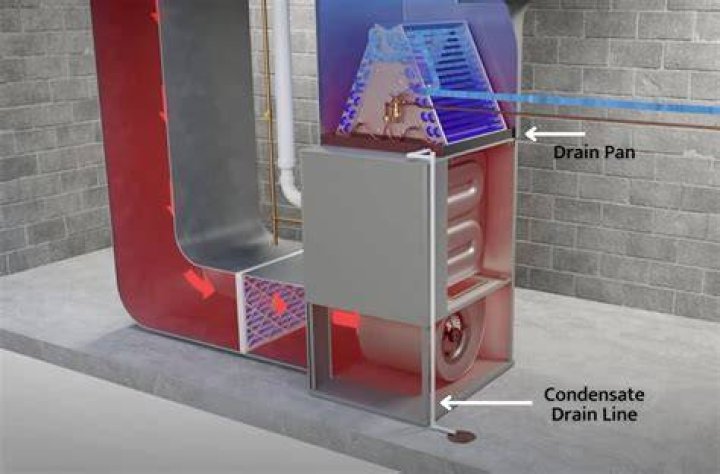
Most wall-mounted units require a gravity type drain, where other unit types (cassette, ceiling or floor mount) may incorporate a factory installed condensate pump or provide the option for a field supplied condensate pump. Figure out where the condensate drain will go BEFORE installing the indoor unit.
Gravity drains typically require a pitch in the range of ¼ inch per foot, without any dips in the piping. Condensate traps may be required in gravity type drains, depending upon the location of the drain (before or after the blower) as well when prescribed by local code. If you are using a factory or field installed condensate pump, always reference the lift capability to ensure the drain height is not exceeded.
If a pump is needed, try to locate it somewhere where it wont’ be heard at night. You could explain that the pump “hums”, because it doesn’t know the words, but that might not be well received if the customer is repeatedly woken up at 2:30 in the morning. These types of non-textbook details must be thought out before a unit is installed.
One frequent source of callbacks is condensate leakage. Since the temperature of the condensation can often be at or below the dew point temperature of the air. Condensate lines should be insulated to prevent “sweating” during the cooling season, and “heat tape” consideration should be made in the winter to prevent freezing, if applicable.
8 / 14
Correct thermostat placement
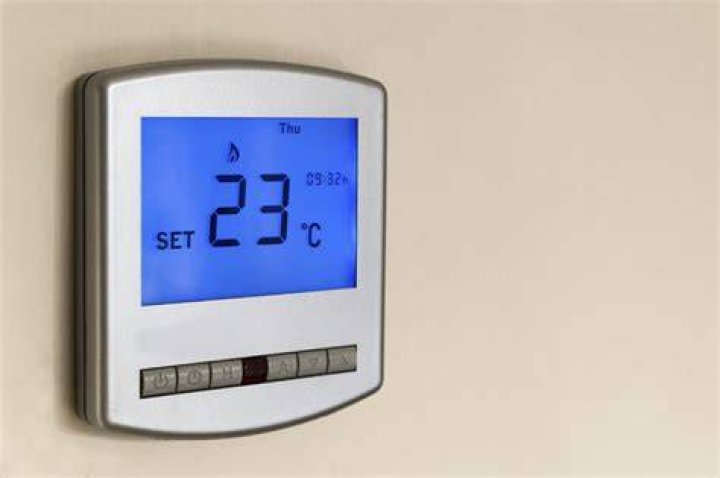
If a thermostat (aka “remote”) is to be mounted on the wall for sensing the room temperature locally, it should be mounted on an inside wall, approximately 5 to 5 ½’ feet above the floor. Keep it away from any source of heat gain, such as direct sunlight, a coffee pot, or in the path of the supply air.