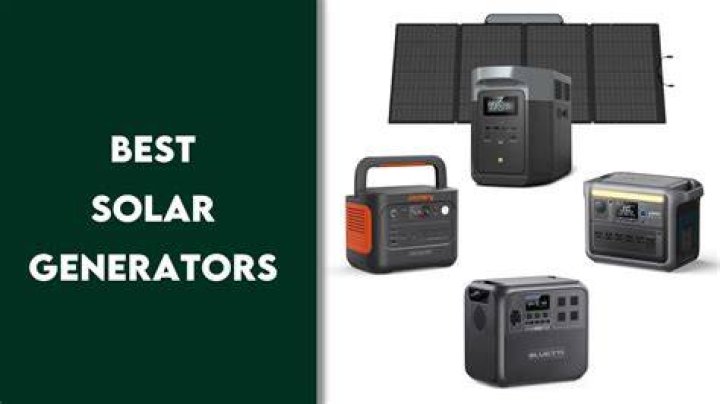
Shopping for electronics can be intimidating, especially if you’re not a “techie.” Battery technology can be especially complicated, sometimes making you feel as though you need an advanced degree just to compare products. Under the hood, solar generators are complicated little devices. But, finding the right model doesn’t have to be impossible.
Here are the most important things to consider when shopping for the best solar generator (for you).
Capacity: Generally, everything comes down to capacity, measured in watt-hours (represented as Wh). It’s the measure of how much “juice” a particular battery can store. In automotive terms, solar generator capacity is like the size of a car’s gas tank. While there are some smaller models, most entry-level generators feature a 500Wh capacity. Larger, but still portable models store around 1,000-1,500Wh. Even larger alternatives are available, but, the larger the capacity, the heavier the generator. Anything more than 1,500Wh is likely to weigh north of 50 pounds which is more than most car campers are willing to lug around.
Your Personal Energy Needs:A full assessment of your own energy needs can get very complicated. But, in general, a 500Wh solar generator is often enough for the “average” small family of campers for a long weekend. That assumes a group of 3-4, all of whom recharge their smartphones every day or so and have a handful of other devices (a couple of tablets, laptops, and, say, a digital camera) in tow. For especially tech-heavy groups or for extended trips, consider something beefier, like a 1,000Wh option. For more detailed info, check the manufacturer’s website. Most rate their solar generators in terms of how many charges that generator will give your smartphone, laptop, iPad, etc.
Battery Type: The majority of solar generators currently on the market use traditional lithium-ion battery technology. It’s safe, reliable, relatively lightweight, and can be discharged and recharged many times for years. Next-generation solar generators are starting to use lithium iron phosphate (LiFePO4) batteries, however. It’s even safer, more efficient, and lasts far longer than lithium-ion (in some cases, a decade or more). LiFePO4-powered solar generators are more expensive, but are worth the extra expense if they’re within your budget.