9 / 11

Cut From Both Sides
When possible, drill from both sides. This does two things. First, it helps prevent blowout. Second, you don’t end up with the cutout plug stuck in the hole cylinder. Start cutting from one side, stopping as soon as the pilot bit comes out the other side. Next, insert the pilot bit in the hole on the other side of the workpiece and finish the cut with the hole saw.
10 / 11

Use an Auxiliary Handle
Although you’ll often use a hole saw in a handheld drill, sawing large holes is a tough job, so use your most powerful drill. Besides power, the drill should have an auxiliary handle, as hole saws don’t act like drill bits. They have a tendency to “catch,” giving your wrist a nasty twist. It can even yank the drill right out of your hand while the spinning drill handle crashes into anything in its path. An auxiliary handle lessens the chance of losing your grip.
11 / 11
Drill Clearance Holes
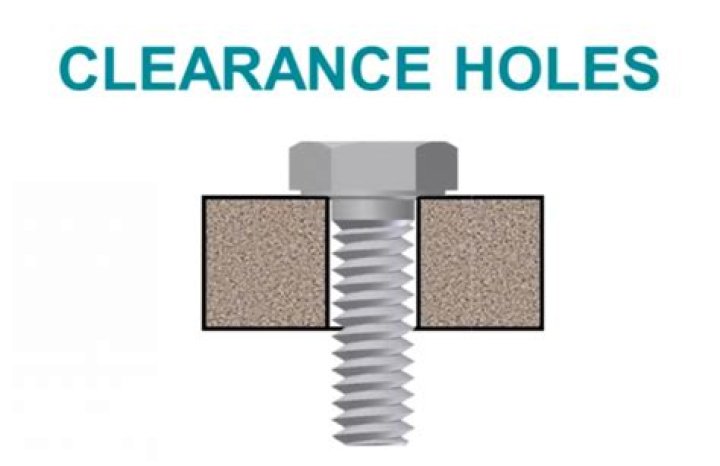
As a hole saw is cutting, there’s nowhere for the sawdust to effectively exit the kerf. So it gets packed into the teeth, causing slow cutting, heat, burning and premature dulling. Drill a couple of 1/2-in. clearance holes to give the sawdust a way out. To get the clearance holes in the right place, start the pilot bit and let the teeth cut in about 1/16 in. Drill clearance holes through the workpiece, just inside the kerf.