3 / 10

Set Your Blade at the Right Height to Control Weeds
Cutting grass too short weakens it. Longer grass grows stronger and thicker and crowds out weeds. Weed seeds can’t germinate easily since they don’t get much light. Established weeds have a tougher time competing with the surrounding turf.
Each type of grass has an ideal mowing height to maintain its health and thickness. It’s about 2-1/2 in. for most cold-climate species. Cut most warm-climate grasses a bit shorter: 1-1/2 to 2 in. If you’re not sure of your grass type, take a sample to a local nursery. Or type ‘identify grass’ into an online search engine for help. Although most lawns contain a mix of grass types, they should have similar ideal cutting heights.
4 / 10
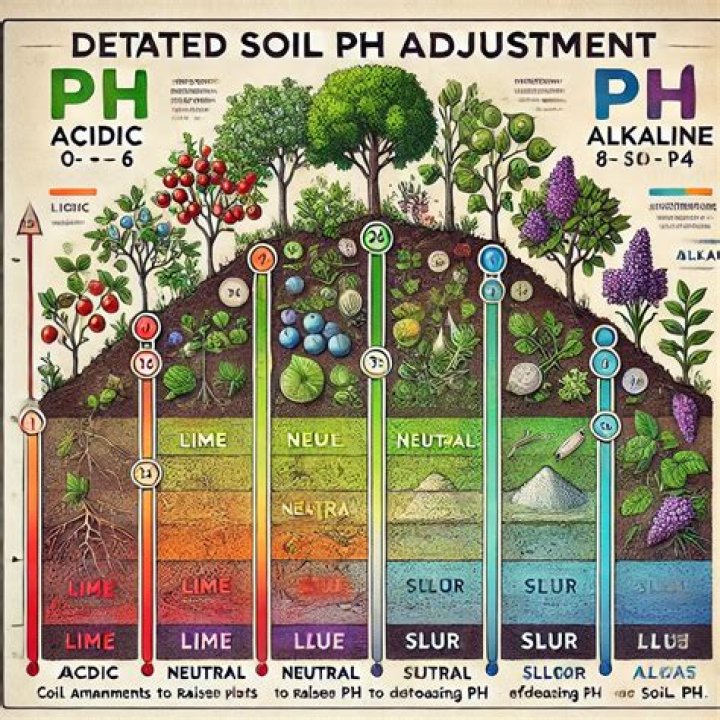
For Healthy Grass, Adjust Your Soil pH
Soil pH (acidity level) is very important, and just because your dirt looks rich and black doesn’t mean it’s the right pH for grass. Take samples around the yard and get them tested. If the pH is too low (acidic) or too high (alkaline), the grass isn’t happy to be there. But you can fix the problem by adding lime to raise the pH or iron to lower it. Most grasses prefer a pH of 6.0 to 7.2. Note: Lawn and garden centers sell do-it-yourself pH testers; more accurate tests can be performed by extension services.
5 / 10
Healthy Grass Is the Best Weed Preventer
Lawns that are nutrient-stressed are a breeding ground for weeds, so the best defense is a healthy lawn. Test the soil to see what type and quantity of fertilizer is needed to help your lawn. Proper fertilization improves lawn health, so grass can compete better and crowd out weeds—without a lot of weed killer.