3 / 10
Scratched or Chipped Tub Finish
Causes: Any tub’s finish can wear out over time with frequent use and cleaning, especially with abrasive products. Chips and scratches can happen if you drop a metal object like a plumbing tool in the tub.
How to prevent a scratched or chipped tub finish: Be cautious with metal tools in or near a tub. Use non-abrasive cleaners on acrylic or fiberglass tubs.
How to fix a scratched or chipped tub finish: Try a DIY repair kit sold at home centers. “But the repair will be very obvious,” Oettinger says.
To achieve a near perfect-looking repair, hire a pro to fix and color-match the area.
For heavily scratched fiberglass, Oettinger recommends refinishing the entire tub.
Should you call a pro?: It depends. Tub refinishing can be a DIY project or one for a pro. If you don’t feel confident refinishing your tub yourself, hire a pro for an average cost of $500. Professionally refinished tubs will look better and last longer.
4 / 10
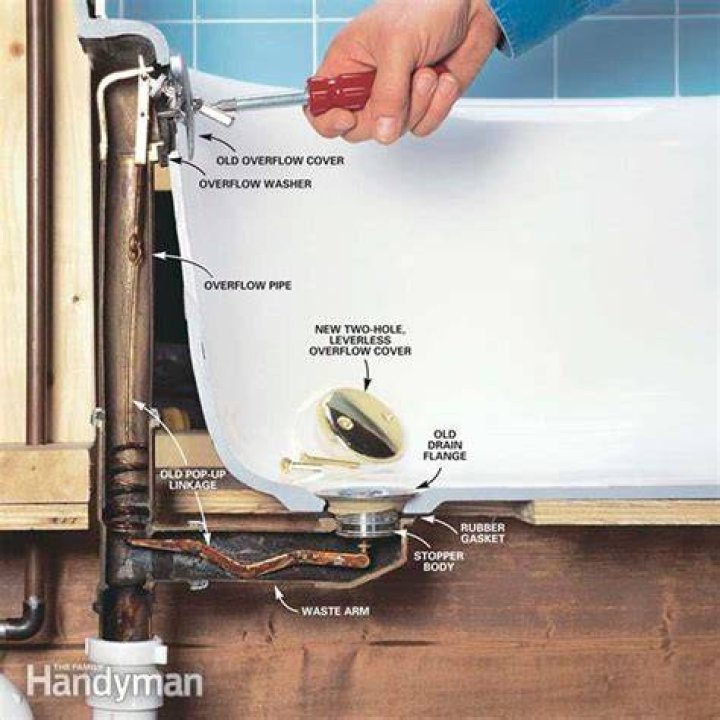
Leaky Tub Drain
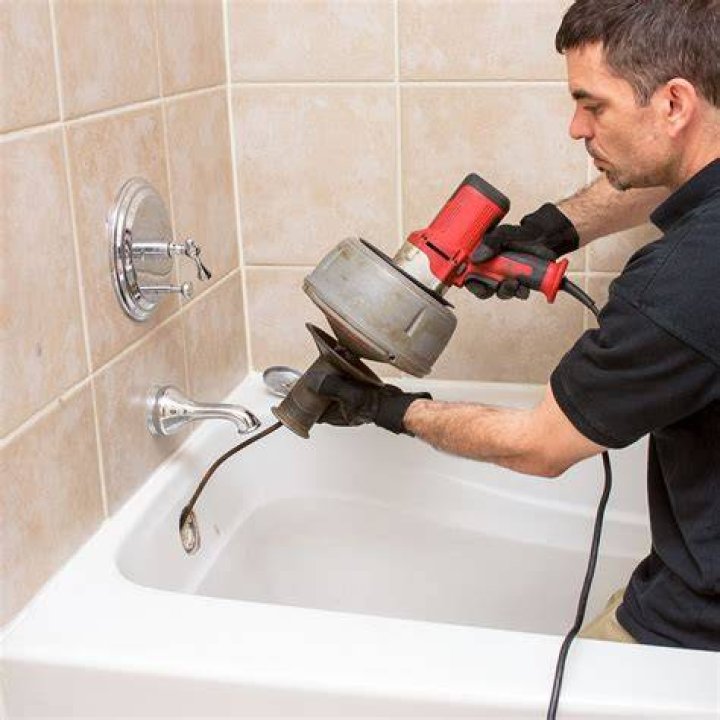
Causes: It’s generally due to a worn out drain gasket “right under the tub drain,” Hogan says. The overflow faceplate screws can also loosen over time. “When that happens, water gets behind the overflow then drip down the pipe,” Hogan says. Also, using a drain snake can crack the pipe.
How to prevent a leaky tub drain: Periodically check the tub drain gasket and overflow faceplate screws. Be careful not to use too much force when snaking the tub drain.
How to fix a leaky tub drain: If it’s the drain gasket, replace with a new part. Tighten loose overflow screws and replace cracked drain pipes.
Should you call a pro?: It depends. Replacing a drain gasket and tightening overflow screws is DIY friendly. You may want to hire a pro to replace drain pipes in a second floor bathroom, because access is more complicated. Replacing tub drain pipes in first floor bathrooms is more DIY-friendly if there’s access in the basement ceiling.
5 / 10
Low Bathtub/Shower Water Pressure
Causes: This points to a problem with the shower cartridge valve. “It’s going to be the cartridge itself or possibly a blocked valve,” Hogan says. “Either one will slow the water pressure down.” A broken or partially closed shut off valve can also be to blame.
How to prevent low water pressure: Before adjusting or turning off shut-off valves, double-check the destination of the pipes.
How to fix low water pressure: Replace or repair any worn-out or damaged shower valve components and replace any broken shut-off valves. “The shut-off valves may just need to be opened, too,” Hogan says. This will improve water flow.
Should you call a pro?: It depends. DIYers can easily fix shut-off valve issues. But if that’s not the problem, call in a pro to properly diagnose and repair it.